Clarksville, TN Cap Rate 3.85%
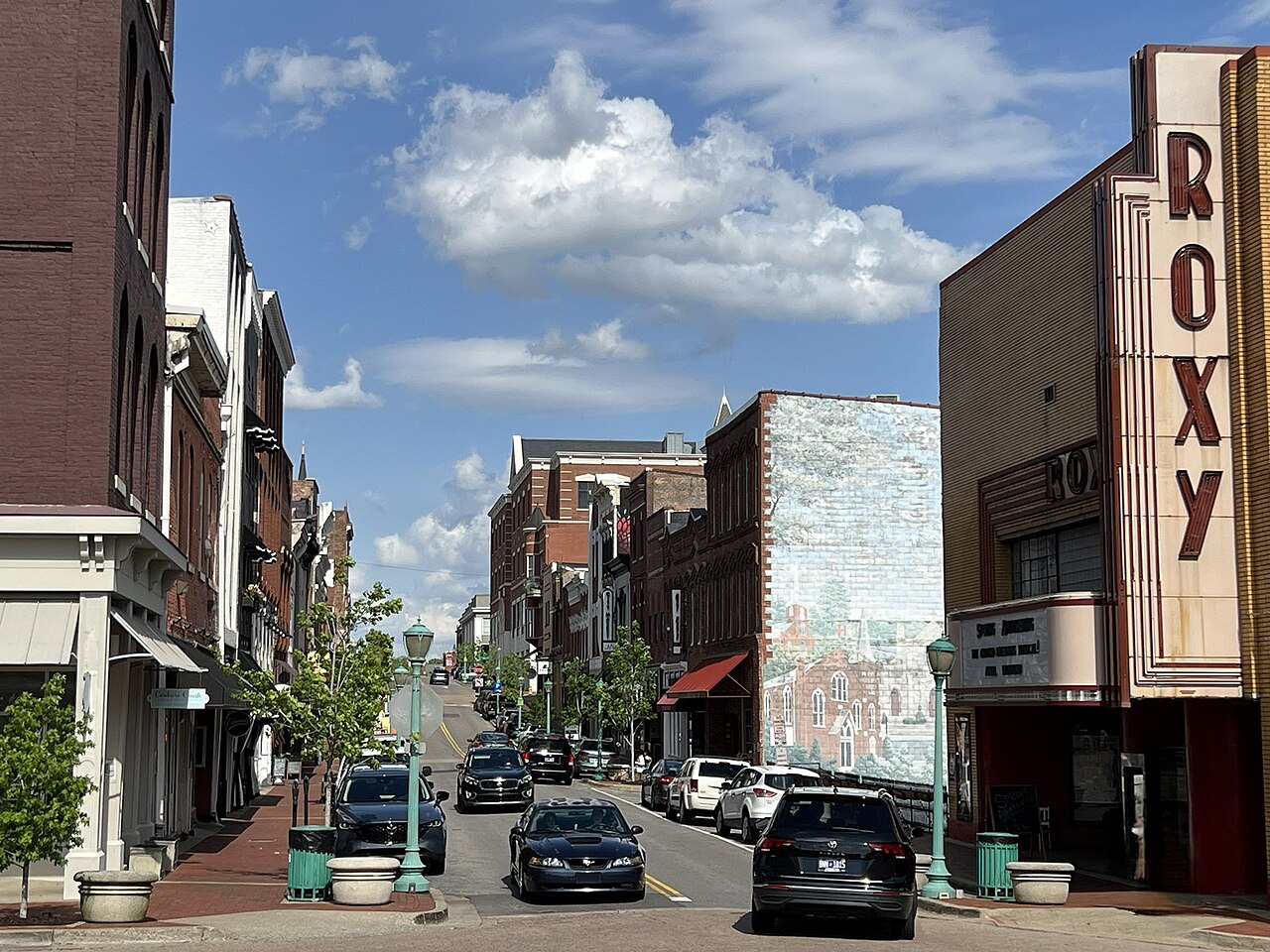
Clarksville is the second-fastest-growing metro in Tennessee (after Murfreesboro), anchored by Fort Campbell (the home of the 101st Airborne Division, just across the Kentucky border) and benefiting from continued Nashville-area cost-of-living spillover. The 3.85% cap rate at a $290,000 median price keeps the 0.46% rent-to-price ratio at or close to functional — Clarksville is one of the genuine military cash-flow markets in 2026. Population growth at 2%/yr is among the strongest in Tennessee.
Employment is anchored by Fort Campbell (the home of the 101st Airborne Division, the 160th Special Operations Aviation Regiment, and the 5th Special Forces Group — collectively one of the larger active-duty US Army installations, with the broader Department of Defense civilian workforce, contracting and services firms, and the Blanchfield Army Community Hospital), Austin Peay State University (~10K students plus the broader academic and athletic enterprise), Tennova Healthcare and Premier Medical Group, the broader Nashville commuter base (Clarksville is ~45 miles northwest of downtown Nashville — meaningful Nashville-area employment commute), the broader Montgomery County and Tennessee state government, and a growing logistics base (LG Electronics opened a major appliance manufacturing plant here in 2018). The tenant base mixes military families on PCS rotation, Austin Peay students, and Nashville-spillover commuters. Submarkets stratify cleanly: the Sango / Hilldale areas are premium suburban-school zones drawing officer family rentals at the BAH ceiling; downtown Clarksville is gentrifying with new mixed-use development; the broader Tiny Town and Northeast Clarksville zones draw family-school suburban rentals; the Riverside / Ringgold Road areas offer deeper-value workforce inventory; the broader Oak Grove / Hopkinsville KY zones across the border extend the metro with cheaper basis.
Tennessee has no state income tax (a structural cash-flow advantage). Montgomery County's property tax at 0.58% is moderate, with multi-year reassessment cycles that lag in fast-appreciating markets. Insurance is reasonable but verify tornado / severe-weather deductibles (the broader Middle TN / Western KY corridor has meaningful tornado risk — the December 2021 tornado outbreak that devastated nearby Mayfield KY is a relevant reference). BAH (Basic Allowance for Housing) effectively sets a rent ceiling and floor in Fort Campbell-adjacent submarkets — pull current Clarksville BAH tables before underwriting. The structural advantages: 101st Airborne's mission concentration makes Fort Campbell less consolidable than single-mission bases — BRAC risk is materially lower than at training-only installations; Nashville-spillover provides a separate non-military demand floor; LG manufacturing employment is adding diversification; sustained population growth has been continuous for 15+ years. The structural risks: military tenant base turns over with PCS rotations — vacancy is more cyclical than headline metro numbers suggest; tornado/severe-weather exposure is real. For investors who want military-anchored Tennessee tax structure plus genuine growth, Clarksville is among the most defensible Army-base-adjacent options.
Market data powered by Zillow Home Value Index (ZHVI) and Zillow Observed Rent Index (ZORI) · Updated Feb 2026
Market Data
2026 Market Update: Clarksville
Clarksville's 0.5% rent-to-price ratio is well below the 1% rule. At median prices of $290,000, the $1,340/mo rent produces only $931/mo in NOI. Investors here need to target below-median properties or pursue value-add strategies to make the numbers work.
At current rates, a 20% down conventional loan ($58K at 7%) would result in approximately $-612/mo cash flow — negative at median prices. Larger down payments, seller financing, or buying 15–25% below median are strategies to turn the numbers positive.
The 18.0x gross rent multiplier and 5.6% vacancy rate position Clarksville as a growth-dependent market. With annual appreciation at 3.1%, total returns (cash flow + equity growth) run approximately 7.0% before financing leverage.
Deal Modeling & Scenarios for Clarksville
All figures below are computed from Clarksville's real market medians. Use them as a baseline; override with property-specific numbers in the calculators.
Property Tax Bill in Real Dollars
At 0.58% effective rate on the $290,000 median price, the annual tax bill is $1,682 — that's very low (bottom 15% of US markets) (-45% vs the national average of ~1.06%). Verify the actual assessed value before purchase; sale-triggered reassessments can push the bill higher than the seller's current statement.
5-Year Cap Rate Trajectory
If Clarksville continues appreciating at 3.1%/yr while rents grow at a conservative 3%/yr, cap rate compresses as price growth outpaces rent. Year-by-year projection at the median:
| Year | Est. Price | Est. Rent/Mo | Cap Rate |
|---|---|---|---|
| Today | $290K | $1,340 | 3.9% |
| Year 1 | $299K | $1,380 | 3.8% |
| Year 2 | $308K | $1,422 | 3.8% |
| Year 3 | $318K | $1,464 | 3.8% |
| Year 4 | $328K | $1,508 | 3.8% |
| Year 5 | $338K | $1,553 | 3.8% |
Three Financing Scenarios
Same median-priced Clarksville property — different capital structures. All-cash maximizes cap rate. Leverage trades cash flow for higher cash-on-cash return when the spread between cap rate and borrowing cost is positive.
| Scenario | Cash Invested | Monthly Cash Flow | Annual CF | Cash-on-Cash |
|---|---|---|---|---|
| All cash | $290K | $931 | $11,178 | 3.9% |
| 20% down conventional @ 7% | $67K | $-611 | $-7,336 | -11.0% |
| 25% down DSCR @ 8.5% | $84K | $-741 | $-8,893 | -10.6% |
Three Price Tiers: Below, At, and Above the Median
Properties don't always trade at the median. Lower-priced units typically offer higher cap rates but harder operations; higher-priced properties tend to compress cap rates while attracting better tenants. All-cash assumptions below:
| Tier | Price | Rent/Mo | NOI/Yr | Cap Rate | Monthly CF |
|---|---|---|---|---|---|
| Below median (~75% price) | $218K | $1,139 | $8,584 | 3.9% | $715 |
| At median | $290K | $1,340 | $9,765 | 3.4% | $814 |
| Above median (~125% price) | $363K | $1,541 | $10,945 | 3.0% | $912 |
Total Return Over a 5-Year Hold
Cap rate is just one piece. Real estate returns come from four sources: cash flow, appreciation, principal paydown, and tax benefits. Assuming 20% down conventional financing at 7% and a 5-year hold at Clarksville's historical appreciation rate of 3.1%:
On a $58K down payment, that's a 49.2% total ROI over 5 years (not annualized). Tax benefits from depreciation are additional and depend on your personal tax bracket.
Risk Flags Specific to Clarksville
Automated checks against the underlying data — surface only the risks that actually apply to Clarksville, not generic boilerplate:
Cap Rate Calculator — Clarksville
Pre-filled with Clarksville medians. Adjust to match a specific property.
Cash-on-Cash Return — Clarksville
Factor in financing to see your actual return on invested capital in Clarksville.
Is Clarksville a Good Place to Invest in Rental Property?
Clarksville, TN has a population of 168,050 and has been growing at 2% annually — above the national average, suggesting steady demand pressure on housing. The median home price of $290,000 paired with median rents of $1,340/mo produces an estimated cap rate of 3.85%.
Property taxes at 0.58% are well below the national average of ~1.1%, providing a meaningful cash flow advantage many investors overlook. The vacancy rate of 5.6% is moderate and within normal parameters for a healthy rental market.
At a price-to-income ratio of 5.5x, homes cost about 5.5 times the local median income of $52,400. This moderate ratio indicates a balanced rent-vs-buy market. Home values have appreciated at roughly 3.1% annually. Steady appreciation means total returns will be primarily cash flow-driven — the more sustainable model for long-term wealth building.
Bottom line: At current median prices, Clarksville is challenging for pure cash flow investing. Consider BRRRR strategies with below-market purchases, or look at neighboring metros with stronger price-to-rent ratios.